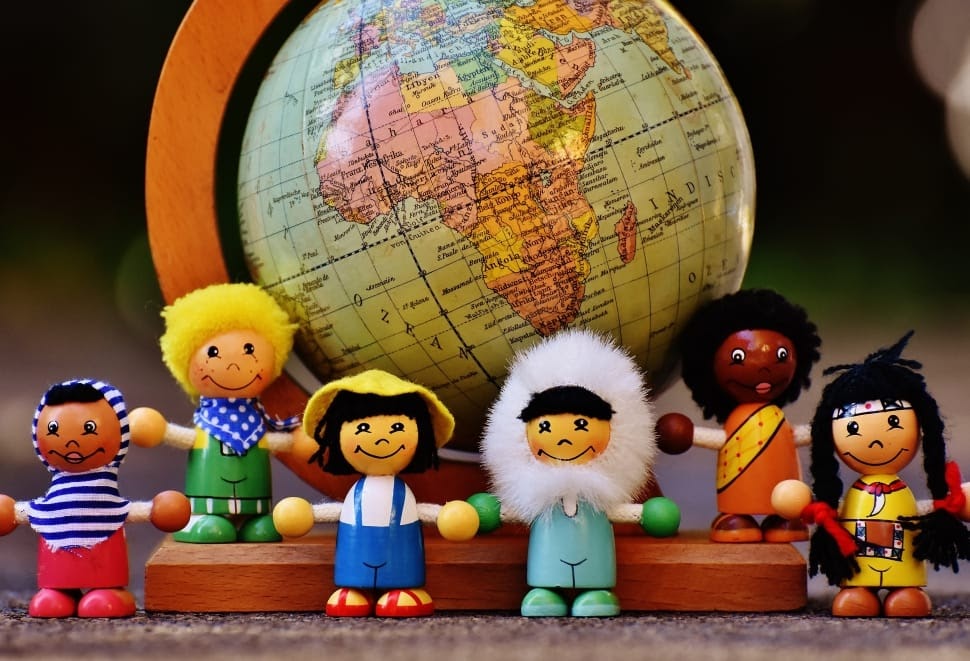

Every child is born with his/her unique qualities. Beyond the gender and physical differences a child has different socioeconomic strata, cultural background, family configurations, language, children with special needs, differing interests, and abilities learning style, attitudes.
There are varieties of individual differences like physical differences (height, weight, colour of skin, colour of eyes and hair, facial features), mannerisms of speech and walk etc.
Mental Differences such as intellectual abilities and capacities, reasoning and thinking, power of imagination, creative expression, concentration, etc.
Differences in Motor Ability: There exist wide differences in motor abilities, muscular movements, manual dexterity, and resistance to fatigue, etc. Through experience differences also take place like in achievement, knowledge, emotions, aptitude, self concept, self esteem, social and moral development, etc.
Two Factors affecting Individual Differences
- Heredity: What occurs naturally as a function of the genes where it is passed on from one generation to the other.
- Environment: What is learned and communicated in different cultures or other social groups, includes family, socio-economic status.
There is one important role of teachers/schools in meeting up with the individual differences and the dealings.
A teachers’ sensitivity towards individual differences, does make it better and easier to be taken care of. A teacher’s challenge is to acknowledge and celebrate the differences among children and work to maximize the growth in each child. For this purpose, intelligence tests, cumulative record cards, interest inventories, attitude scales, aptitude tests and measures for assessing personality traits should be taken. In the light of the individual differences in terms of individual potentialities in various dimensions, the students in a class or area of activity can be divided into homogenous groups.
The curriculum has a different role to play so it should be as flexible and differentiated as possible. Adjusting the method of teaching and instructional procedure which he finds most suited to the particular types of pupils under him. A special coaching and guidance programme for both the dull and gifted children is most helpful.
Photo Credits: https://www.peakpx.com/18120/6-different-countries-dolls-and-desk-globe